
📝 About the Author
Tech writer with 5+ years covering messaging apps and VoIP services. Testing and reviewing Viber features hands-on since 2024.
Have questions about Viber? Feel free to leave a comment below — I read and respond to every message. 💬
In today’s fast-paced work environment, effective team collaboration is the backbone of success, especially with remote and hybrid teams becoming the norm. Tools that streamline communication, file sharing, and real-time interaction are essential for keeping projects on track and fostering creativity. Enter Viber—a versatile messaging app that’s evolved far beyond personal chats into a robust platform for professional teamwork. Originally known for its free calls and end-to-end encryption, Viber now offers a suite of team collaboration features that rival dedicated tools like Slack or Microsoft Teams, but with the simplicity of a consumer app.
If you’re wondering, “What are the team collaboration features on Viber?” this guide has you covered. We’ll dive into the core functionalities, from group chats to video conferencing, and explore how they apply to real-world scenarios. Whether you’re managing a small startup or coordinating a global client project, Viber’s tools can enhance productivity without the steep learning curve. As we unpack these features, we’ll also touch on practical applications, key advantages, common pitfalls, and emerging trends in 2025. By the end, you’ll see why Viber is a smart choice for teams seeking secure, seamless collaboration. For those dipping their toes into remote setups, check out our detailed walkthrough on use Viber for remote work communication.
Understanding Viber as a Collaboration Hub
Updated for Viber 23.1 — the latest version as of 2026.
Viber, developed by Rakuten, has been a staple in mobile communication since 2010, boasting over 1 billion users worldwide. What sets it apart in the team collaboration space is its blend of intuitive design and enterprise-grade security. Unlike siloed email threads or fragmented apps, Viber centralizes everything—messages, calls, files, and polls—into one encrypted ecosystem. This makes it ideal for distributed teams who need to stay connected across time zones without compromising data privacy.
At its core, Viber’s team features revolve around scalability: from one-on-one brainstorming to large-scale group discussions. The app supports cross-platform use on desktop, mobile, and web, ensuring no one misses a beat. According to Viber’s official features page, these tools are built on a foundation of end-to-end encryption, meaning only intended recipients can access your conversations—a critical advantage in an era of rising cyber threats.
For teams new to Viber, the setup is straightforward: download the app, verify your number, and create or join channels. But the real magic lies in its depth, which we’ll explore next.
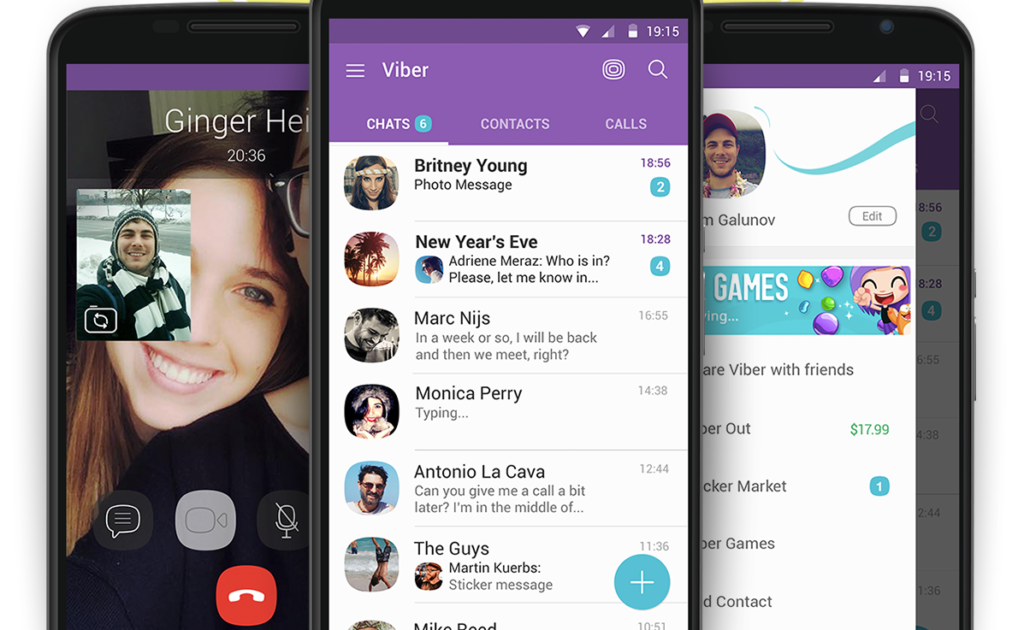
Key Team Collaboration Features on Viber
Viber packs a punch with features tailored for collaborative workflows. Let’s break down the essentials, focusing on how they empower teams to work smarter.
Group Chats: The Foundation of Team Discussions
Group chats are Viber’s flagship feature for team collaboration, allowing up to 1,000 members in a single conversation. This scalability makes it perfect for department-wide updates or cross-functional project teams. Members can share text, images, videos, and documents in real-time, with reactions and replies keeping threads organized.
One standout aspect is the admin controls: leaders can mute notifications, pin important messages, or even set disappearing messages for sensitive info. Imagine a marketing team brainstorming a campaign—ideas flow freely, files attach instantly, and polls gauge consensus without leaving the chat. In 2025, Viber enhanced this with AI-powered message summaries, condensing long threads into digestible overviews, saving hours on catch-up reads.
Voice and Video Calls: Bridging Distances
No collaboration tool is complete without robust calling options, and Viber delivers with high-quality voice and video calls supporting up to 50 participants. These aren’t just basic calls; they’re interactive sessions with screen sharing, annotations, and live reactions—ideal for virtual stand-ups or client demos.
For remote teams, the low-data mode ensures smooth performance on spotty connections, a boon for global operations. Video quality has seen upgrades in recent years, with 1080p support and noise cancellation, as noted in user reviews from 2025. This feature shines in hybrid meetings, where screen sharing lets developers walk through code or designers present wireframes collaboratively.
File Sharing and Cloud Integration
Viber’s file sharing is seamless, handling documents up to 200MB without compression artifacts. Teams can upload PDFs, spreadsheets, or design mockups directly into chats, with previews and version history to track changes. Integration with cloud services like Google Drive or Dropbox means pulling files without switching apps, streamlining workflows.
In practice, this reduces email clutter—sales teams, for instance, can share proposals in-group, gather feedback, and iterate on the spot. Security is baked in: files are encrypted in transit and at rest, aligning with GDPR and HIPAA standards for compliant industries.
Polls, Channels, and Communities: Structured Engagement
For decision-making, Viber’s polls are a game-changer—create anonymous or named votes on everything from meeting times to feature priorities. Channels take it further: broadcast updates to unlimited followers, like a company newsletter or project roadmap, without the noise of replies.
Communities, Viber’s super-groups, combine chats and channels for themed hubs (e.g., a “Product Dev” space with sub-channels for bugs and sprints). These features foster inclusivity, ensuring quieter team members can contribute via polls or reactions without dominating discussions.
Bots and Automation: Leveling Up Efficiency
Viber’s bot ecosystem adds automation flair. Integrate bots for task reminders, weather updates, or even CRM pulls (like HubSpot notifications). For tech-savvy teams, custom bots via Viber’s API handle repetitive tasks, such as scheduling or sentiment analysis on feedback.
In 2025, bots evolved with natural language processing, making them more intuitive—think querying a bot for “last week’s sales report” and getting an instant summary.
Real-World Applications of Viber’s Team Features
Theory is one thing; application is another. Here’s how teams across industries leverage Viber for tangible results.
Remote Project Management for Creative Agencies
Creative firms often juggle client feedback loops and tight deadlines. Using Viber group chats, a design team can create a dedicated channel for each project: share mood boards via video calls, run polls for color schemes, and use file sharing for iterative revisions. One agency reported a 40% faster turnaround after ditching email chains, crediting Viber’s real-time collaboration.
Customer Support in E-Commerce
Support teams thrive on Viber’s multi-agent chats. Agents join ongoing customer threads seamlessly, escalating issues with @mentions. With video calls for troubleshooting (e.g., guiding a user through app setup), resolution times drop. A 2025 case study from an e-commerce giant highlighted how Viber’s encryption built customer trust, boosting satisfaction scores by 25%.
Global Sales Coordination
Sales reps scattered worldwide use Viber channels for lead sharing and strategy broadcasts. Voice notes replace lengthy emails for quick updates, while polls align on quarterly goals. For hybrid sales meetings, screen-shared demos via video calls close deals faster, especially with Viber’s international call clarity.
These applications demonstrate Viber’s versatility, but to safeguard your data, always prioritize backups—learn back up Viber chat history to avoid losing critical threads.
Advantages of Viber for Team Collaboration
Why choose Viber over competitors? Its advantages are clear and compelling.
First, cost-effectiveness: Free for core features, with optional Viber Out for landlines—far cheaper than Zoom’s subscriptions. This democratizes access for startups and nonprofits.
Second, privacy and security: End-to-end encryption across all features, plus self-destructing messages, outpaces many rivals. In a 2025 privacy report by the Electronic Frontier Foundation, Viber scored high for user control, including chat export options.
Third, user-friendliness: Minimal training needed; its familiar interface reduces adoption friction. Cross-device sync ensures continuity, whether switching from phone to PC mid-conversation.
Finally, scalability with personalization: From 5-person teams to enterprises, features like admin roles and bots adapt to needs. User feedback emphasizes its stability—rare crashes and quick updates keep workflows uninterrupted.
Compared to Slack’s channel overload or Teams’ complexity, Viber strikes a balance: powerful yet approachable.
Common Problems and How to Overcome Them
No tool is flawless. Here’s a rundown of frequent Viber collaboration hurdles and fixes.
Notification Overload in Large Groups
Busy chats can bury important updates. Solution: Customize notifications per group—mute non-essentials or use “Do Not Disturb” schedules. Pin key messages for easy access.
File Size Limits and Compatibility Issues
While 200MB is generous, legacy files might glitch. Solution: Compress via integrated tools or link to cloud storage. For cross-platform woes, ensure app updates—Viber’s 2025 version fixed most iOS-Android sync bugs.
Recovering Lost Conversations
Accidental deletions happen. Solution: Viber’s recovery tools help, but prevention is key. Dive into recover deleted chats on Viber for step-by-step guidance, including cloud restore.
Integration Gaps for Advanced Users
Bots cover basics, but deep CRM ties lag. Solution: Use Viber’s API for custom bridges, or pair with Zapier. Community forums offer templates to accelerate setup.
Addressing these proactively ensures smooth sailing.
Viber’s Evolution in 2025
Viber isn’t standing still. In 2025, AI integrations dominate: smart replies suggest context-aware responses in group chats, while transcription bots summarize video calls—perfect for async teams.
Sustainability trends push eco-friendly features, like low-bandwidth modes reducing data usage by 30%. Privacy enhancements include biometric locks for chats and zero-knowledge proofs for file shares.
Looking ahead, Viber’s push into Web3—NFT sharing in communities—hints at creative collaboration for digital artists. As hybrid work persists, expect deeper VR meeting pilots. For the latest, Viber’s blog is invaluable; explore their official features overview for updates straight from the source.
These trends position Viber as a forward-thinking choice, blending today’s needs with tomorrow’s innovations.
Viber’s team collaboration features—from dynamic group chats and crystal-clear video calls to secure file sharing and intelligent bots—offer a comprehensive toolkit for modern teams. By centralizing communication, enhancing security, and prioritizing ease, Viber not only answers “What are the team collaboration features on Viber?” but redefines how we connect and create.
Whether boosting remote productivity or streamlining client interactions, these tools deliver measurable gains in efficiency and engagement. As we navigate an increasingly collaborative world, embracing Viber could be your team’s next big win. Ready to implement? Start small: set up a test group today and watch the synergy unfold. Share your Viber success stories in the comments—we’d love to hear how these features transform your workflow.